






15/06/2026
By Culum Retallick
Biohazard incidents are not situations where even the best intentions and household cleaning products are sufficient. Blood, bodily fluids, and other biological contaminants carry pathogens, including HIV, hepatitis B, and hepatitis C, that can survive on surfaces for days or even weeks. Without the correct training, equipment, and disposal pathways, managing these situations independently risks serious infection, legal liability, and ongoing contamination.
Professional biohazard cleanup in New Zealand operates within a defined regulatory framework. Understanding this framework is important for property owners, landlords, and anyone who may need to engage a biohazard cleaning company in Tauranga or elsewhere across the country.
Regulatory Frameworks Governing Hazardous Biological Decontamination
Biological decontamination NZ is governed by a combination of legislation, standards, and health authority guidelines that establish minimum requirements for handling, treating, and disposing of biohazardous material.
WorkSafe New Zealand Guidelines and Public Health Legislation
WorkSafe biohazard standards derive from the Health and Safety at Work Act 2015, which places a duty of care on anyone handling hazardous biological material. This operates alongside NZS4304:2002, the New Zealand standard for the management of healthcare waste, and Ministry of Health guidelines covering the handling of biological contaminants.
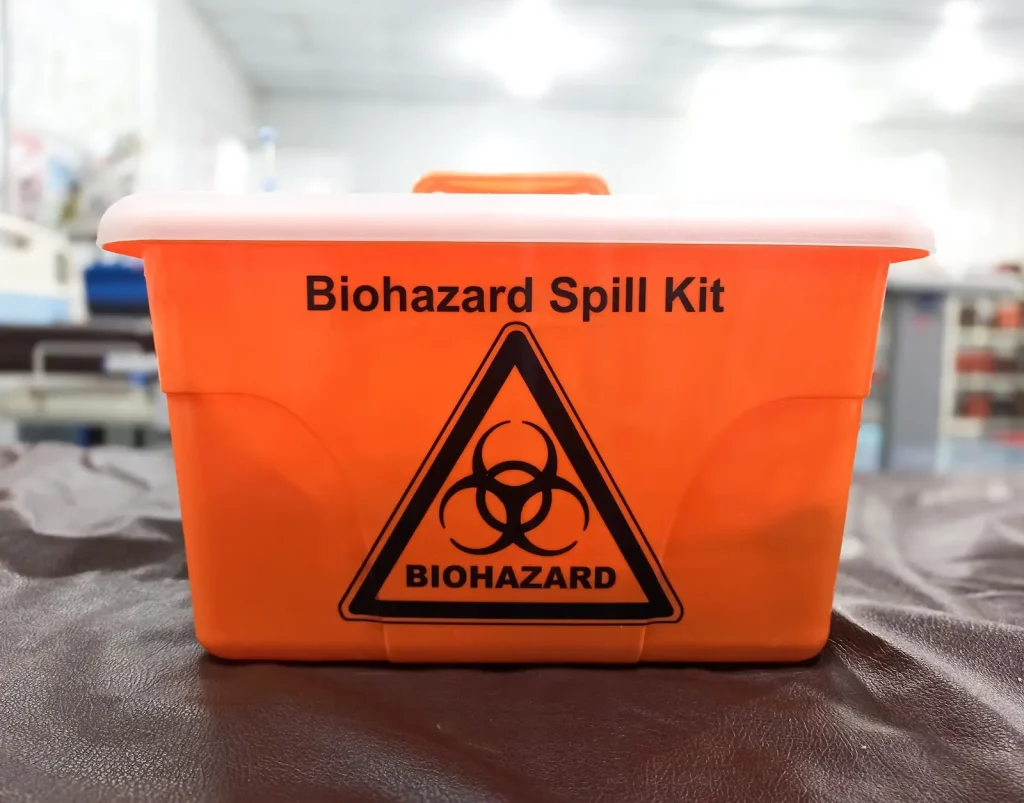
Biohazardous waste must be contained in approved containers, transported through certified channels, and disposed of at authorised facilities. Failure to comply can result in serious penalties, particularly for property managers and commercial operators.
Differentiating Standard Commercial Cleaning from Biohazard Containment
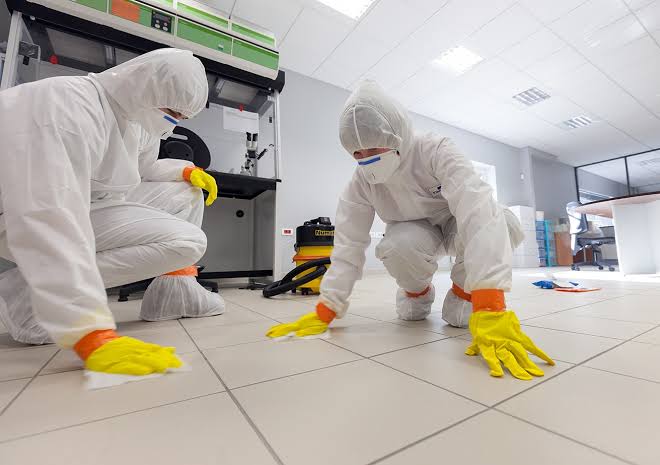
Standard commercial cleaning addresses surface dirt and general grime. Biohazard remediation requires specialised PPE, hospital-grade disinfectants, ATP testing to verify pathogen elimination, and regulated waste disposal. Professional technicians follow the IICRC S540 Standard for Trauma and Crime Scene Cleanup. A general cleaning contractor without this training and certification is not equipped to safely or legally manage a biohazardous environment.
Primary Categories of Biohazardous Contaminants in Domestic and Commercial Sites
Biohazardous contamination takes several distinct forms, each requiring a different approach to safe remediation and disposal.
Bloodborne Pathogens, Bodily Fluids, and Forensic Crime Scene Residues
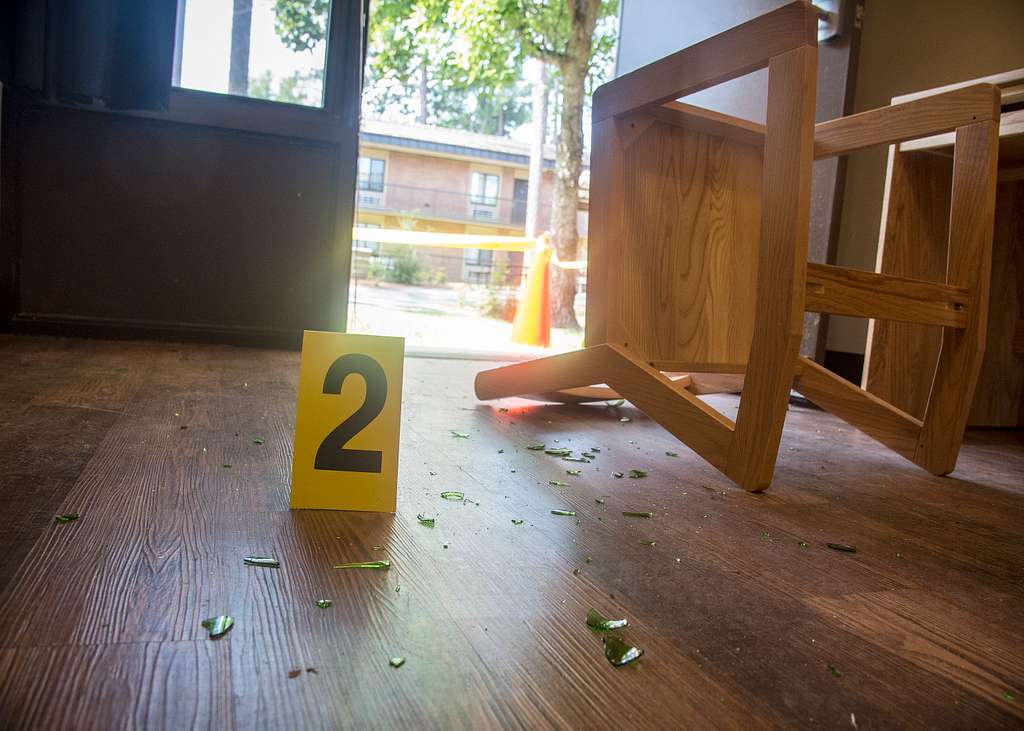
Blood, whether wet or dried, is classified as a biohazard. Dried blood retains pathogen viability and must be treated with the same precautions as fresh material. Bodily fluids, including urine, faecal matter, vomit, and tissue residue from trauma site sanitation, all carry pathogen loads that standard disinfectants cannot adequately neutralise on porous surfaces.
Crime scene residue may also include chemical agents used by emergency services that require specialist assessment before decontamination begins.
Sewage Backups, Mould Outbreaks, and Unattended Death Decontamination
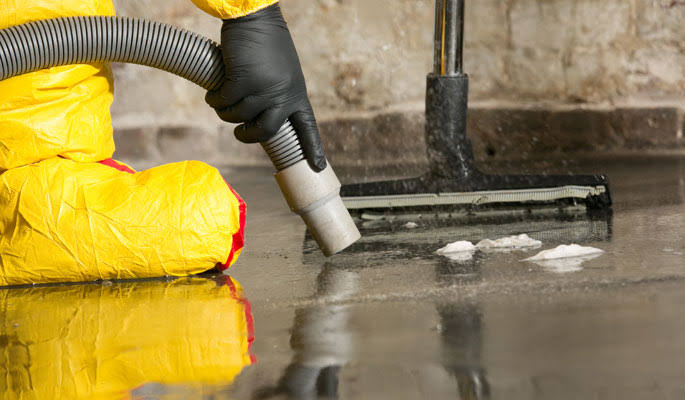
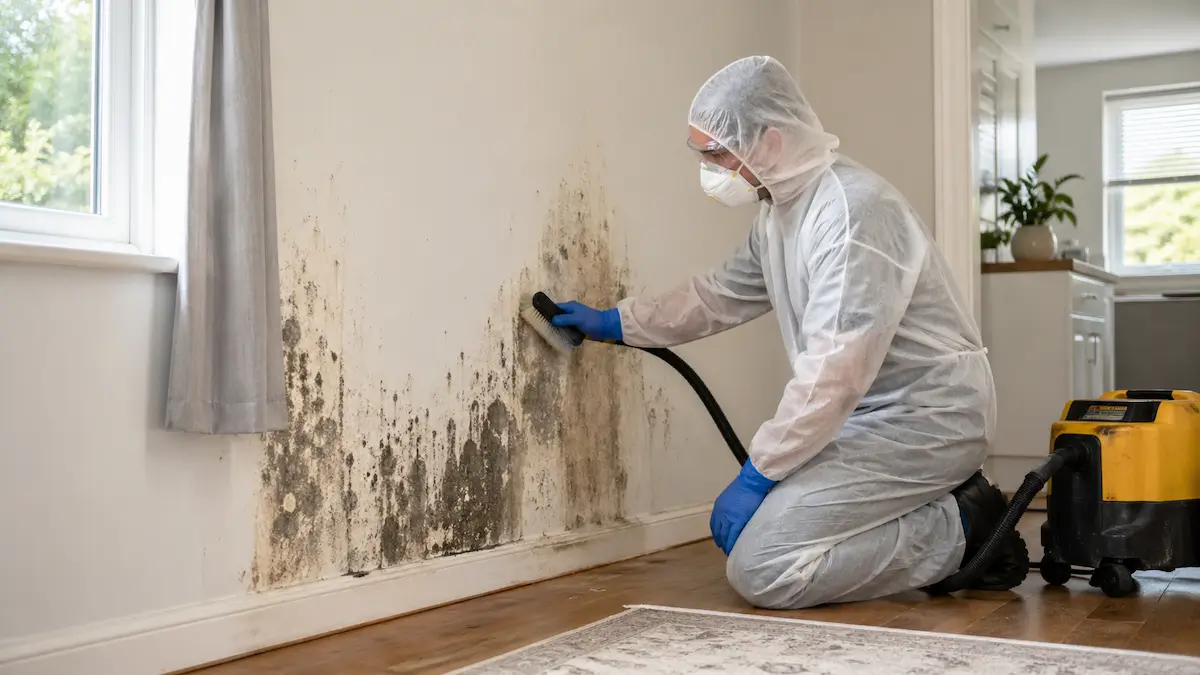
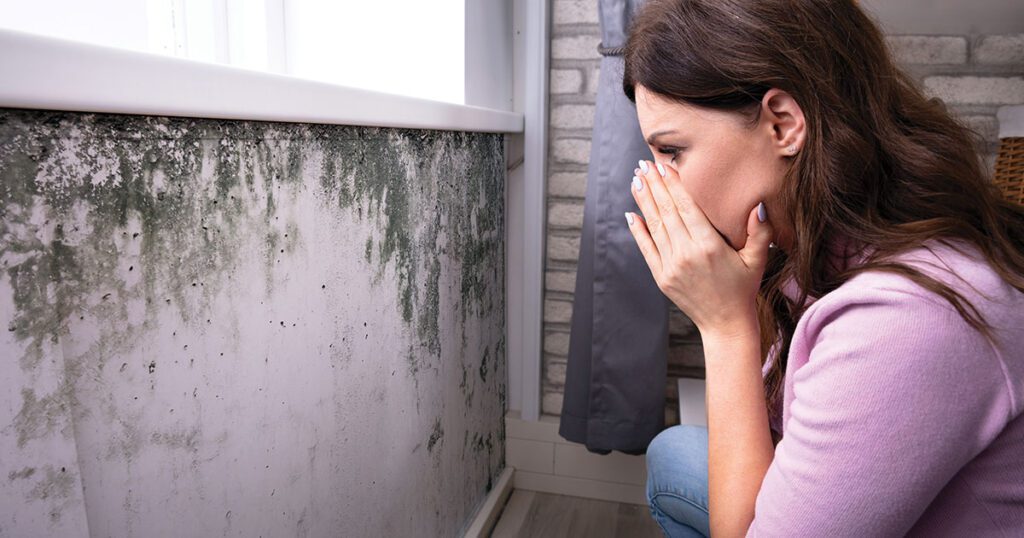
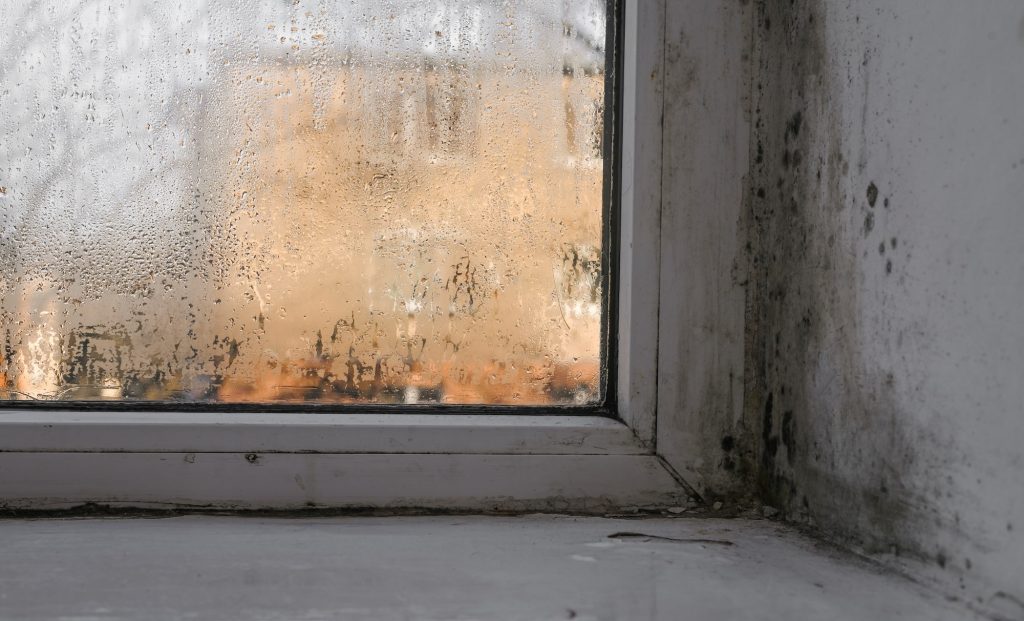
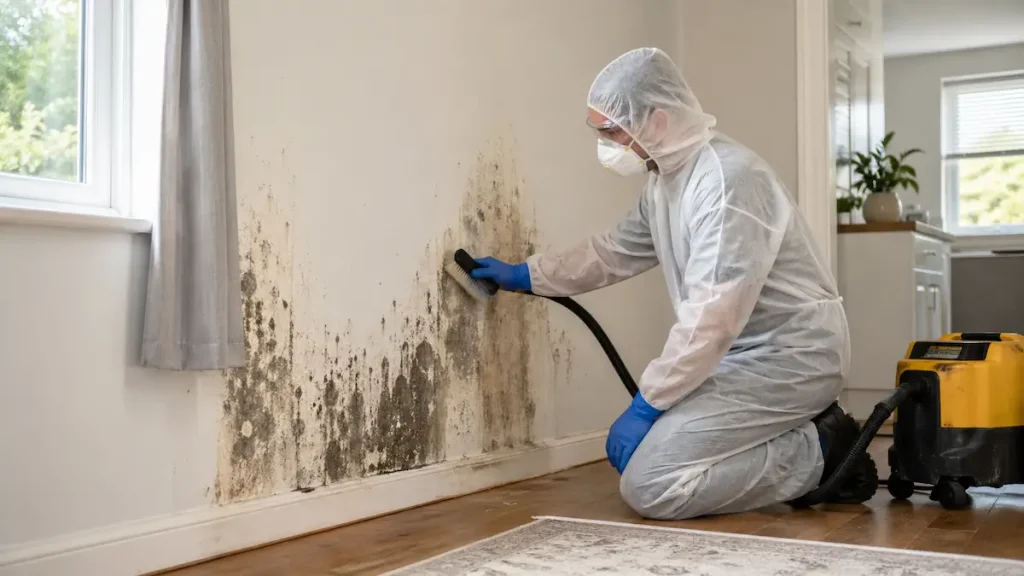
Sewage backups introduce Category 3 blackwater contamination, containing bacteria, viruses, and parasites that pose an immediate health risk. Significant mould outbreaks generate airborne spores and mycotoxins, rendering the environment biohazardous.
Unattended death decontamination is among the most complex scenarios: decomposition can produce bacterial activity, structural penetration of surfaces by biological fluids, and persistent odour compounds that require specialised treatment to eliminate.
The Standard Operating Procedure for Professional Biohazard Remediation
Professional biohazard remediation follows a structured five-stage process:
- Scene assessment: Determining the type, extent, and depth of contamination before any work begins
- Area isolation: Establishing containment to prevent cross-contamination of adjacent spaces during active remediation
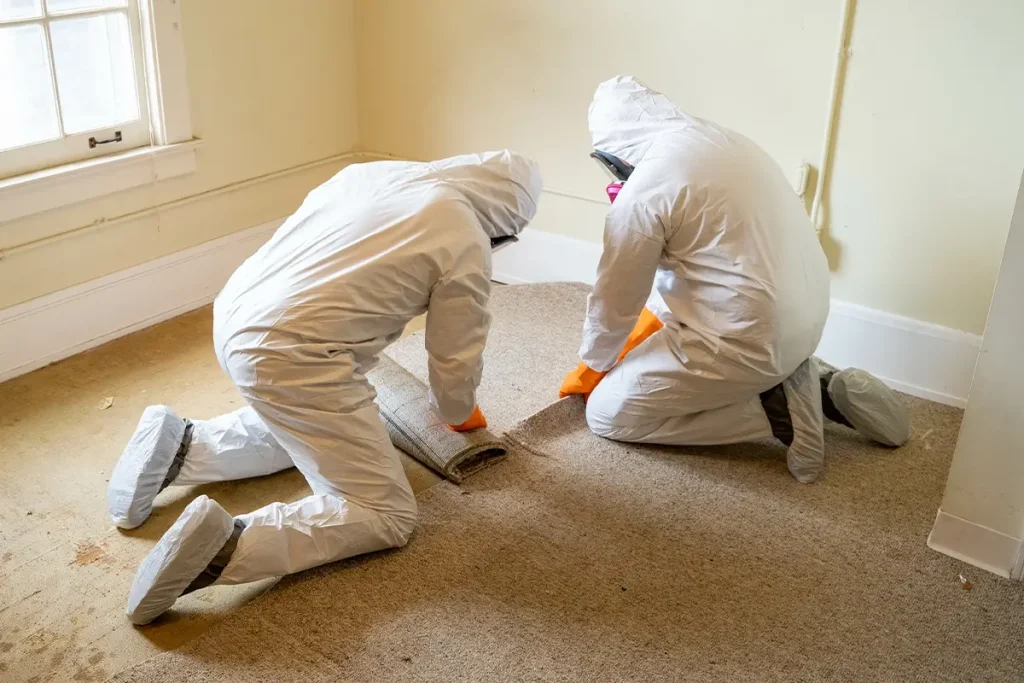
- Physical removal: All contaminated porous materials that cannot be decontaminated are removed and bagged in approved biohazard waste containers.
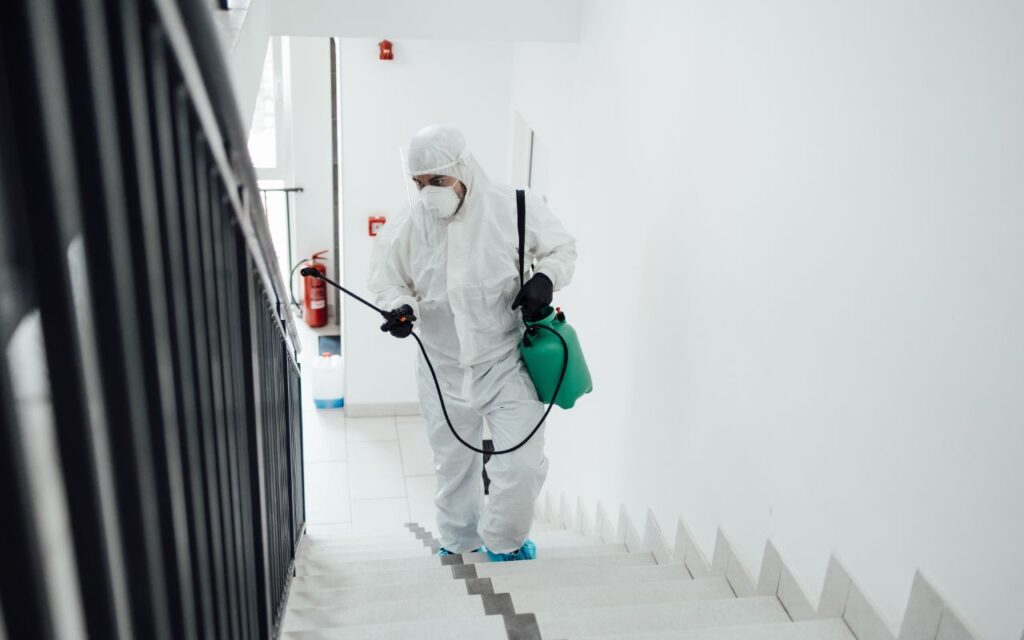
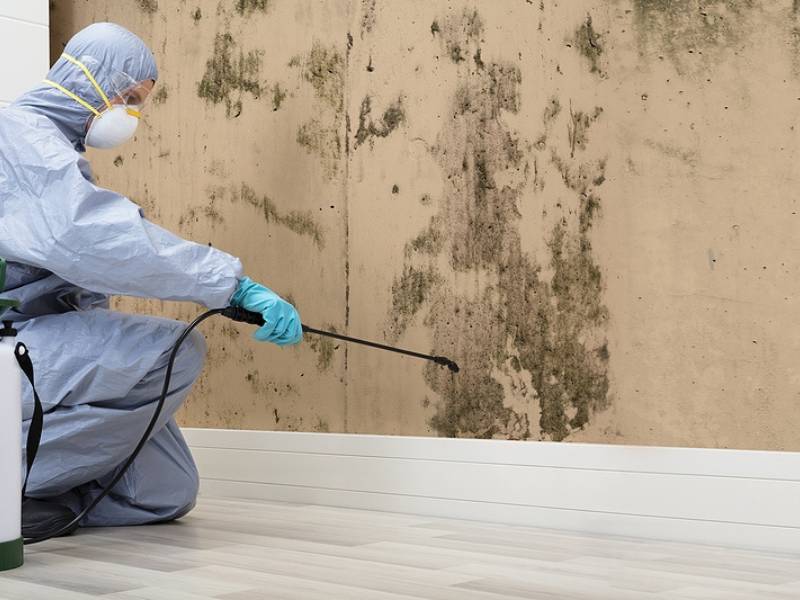
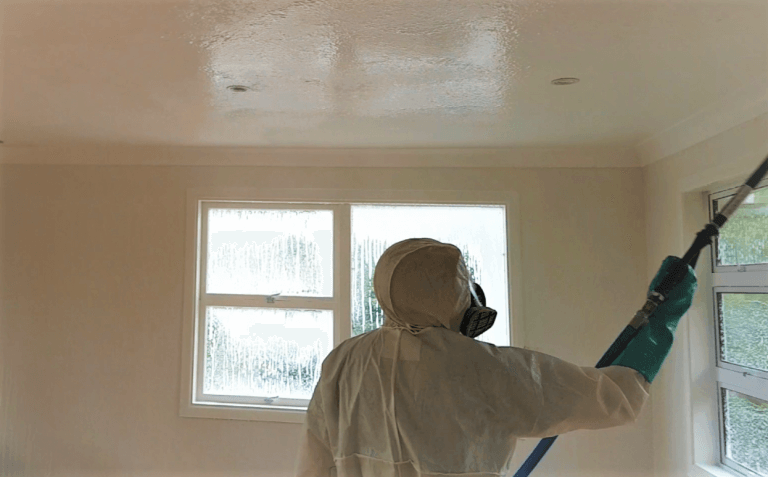
- Disinfection and deodorisation: Hospital-grade antimicrobial products are applied to all surfaces, with odour treatment addressing residual volatile compounds.
- Verification and reporting: ATP testing confirms pathogen elimination; a written report documents completed work for insurance, legal, or compliance purposes.
Safe Handling, Transport, and Regulated Waste Disposal Pathways
Hazardous waste disposal in New Zealand requires that biohazardous material be segregated at collection in colour-coded, puncture-resistant containers. Sharps, including needles, require specifically rated containers. All packaged waste must be transported by an approved carrier with documentation and delivered to a licensed facility for incineration or autoclaving.
Disposing of biohazardous waste through standard general refuse streams breaches NZS4304:2002 and the Health and Safety at Work Act 2015.
Prioritising Health, Safety, and Psychological Sensitivity During Remediation
Biohazard incidents frequently occur alongside traumatic events. Property owners and family members who discover these situations are often in distress. Professional biohazard teams operate with discretion, empathy, and efficiency.
Work is conducted without unnecessary disclosure to neighbours or building occupants. Detailed reporting is provided for insurance submissions, as remediation costs are covered under property or contents policies in many cases.
Frequently Asked Questions
Can standard household disinfectants properly neutralise biological pathogens on porous surfaces?
No. Standard household disinfectants do not achieve the contact time, concentration, or penetration depth required to neutralise bloodborne pathogens on porous materials such as timber, carpet, or plasterboard. Hospital-grade products with verified pathogen kill claims, applied by trained technicians, are required for compliant decontamination.
How are biohazardous waste materials transported and destroyed under New Zealand regulations?
Under NZS4304:2002, biohazardous waste must be contained in approved containers, transported by a licensed carrier with appropriate documentation, and treated at an authorised facility using incineration or autoclaving. The full chain of custody must be documented from collection through final disposal.
Is professional biohazard remediation covered by standard property insurance policies?
In many cases, yes. Most standard NZ property and contents policies include provision for contamination cleanup following a covered event. A detailed itemised report from the remediation company supports the insurance claim. Confirm coverage terms with your insurer before work begins, where possible.
Why is negative air pressure containment necessary during extensive biological decontamination?
Disturbing biohazardous material releases airborne particles, including dried blood fragments and pathogenic aerosols. Negative air pressure containment using HEPA-filtered negative air machines ensures these particles are captured within the work zone rather than migrating into clean areas of the building, which is critical in multi-room or multi-tenancy buildings where cross-contamination would significantly expand the remediation scope.